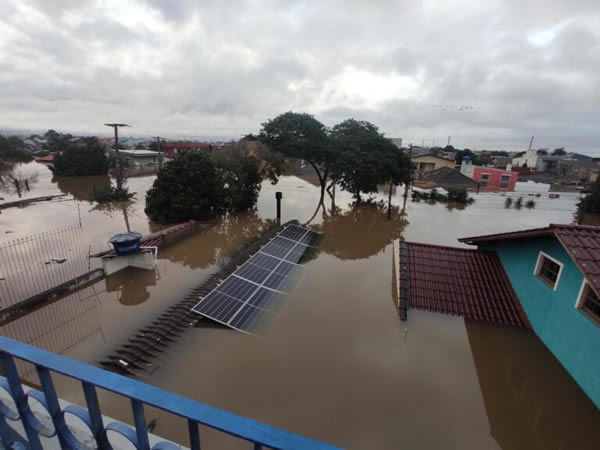
The DANA weather phenomenon, which can produce intense storms and heavy rain in the Mediterranean, has caused significant flooding of both rooftop and utility-scale PV systems in the Valencian Community and Castilla-La Mancha in Spain.
Water exposure can lead to serious consequences for electrical devices such as inverters and batteries. It can cause short circuits, as water acts as a conductor that bridges circuits. Even after drying, water residues can lead to corrosion in sensitive electronic components.
The insulation of cables and components can also be damaged by water contact and abrasion caused by debris. This damage can reduce system performance or result in complete failure.
In addition, water damage can compromise electrical protections, creating safety risks. Furthermore, it can erode the soil around a structure's anchoring piles, reducing their grip on the ground.
Rooftop recommendations
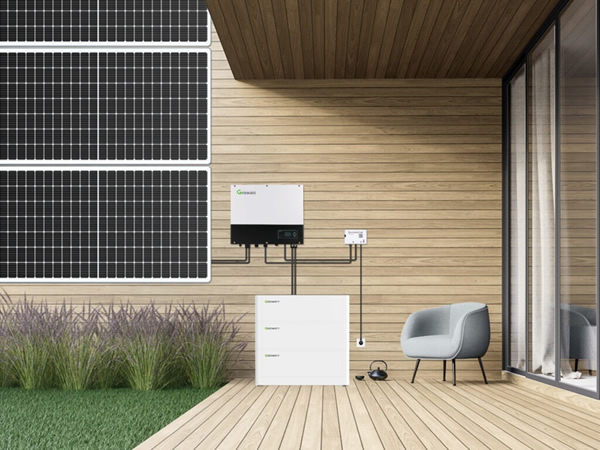
Choosing the right installation site is crucial to prevent damage from flooding in rooftop PV installations. Never install inverters and batteries in areas prone to flooding. Along with structural precautions, implementing technical safety measures is also advisable. Special FI switches, or residual current circuit breakers, can automatically interrupt the power supply upon water contact, minimizing the risk of short circuits and electric shocks.
If a system has already come into contact with water, avoid walking through flooded areas with electrical equipment due to the risk of electric shock. When flooding is imminent, shut down PV systems as a precaution. Qualified electricians or installers should inspect systems after floods. It is also wise to photograph any damages for insurance purposes before cleaning begins.
Thoroughly dry all affected components, even if they are no longer in contact with water, and consider professional drying if there is any doubt. A specialist must inspect all system components after water exposure, and any damaged parts should be repaired or replaced. Systems sho